September 2026
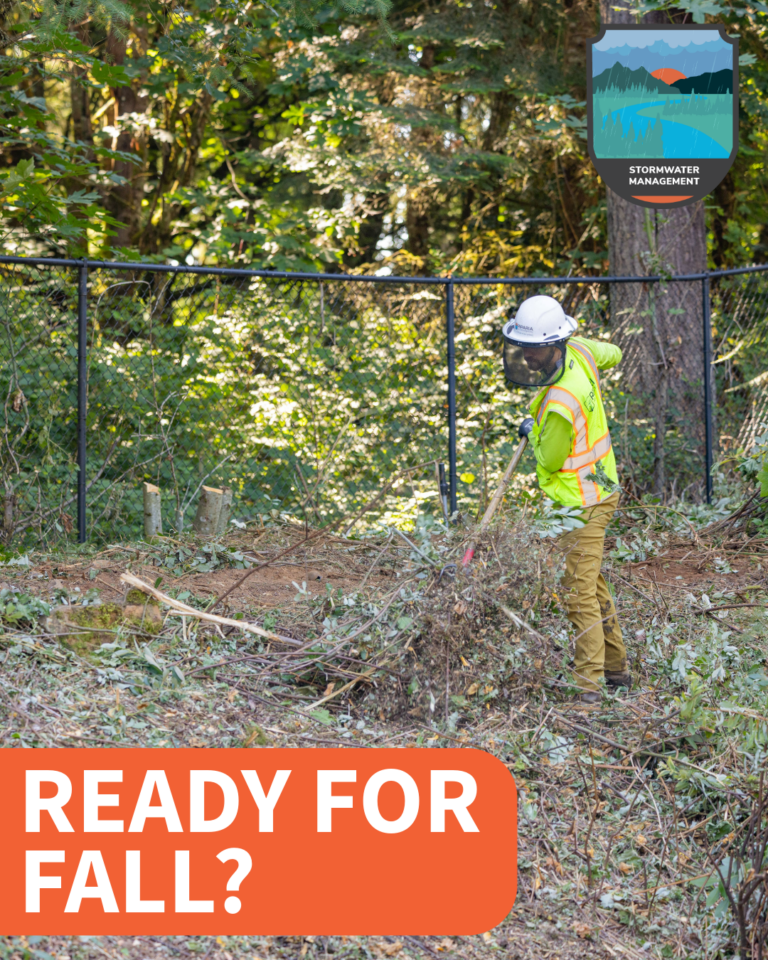
As summer comes to an end, early fall is an ideal time to inspect and maintain stormwater systems. Addressing potential problems before the rainy season helps ensure that facilities are ready to manage increased water flows and can prevent small maintenance needs from becoming costly repairs.
Common Fall and Winter Stormwater Challenges
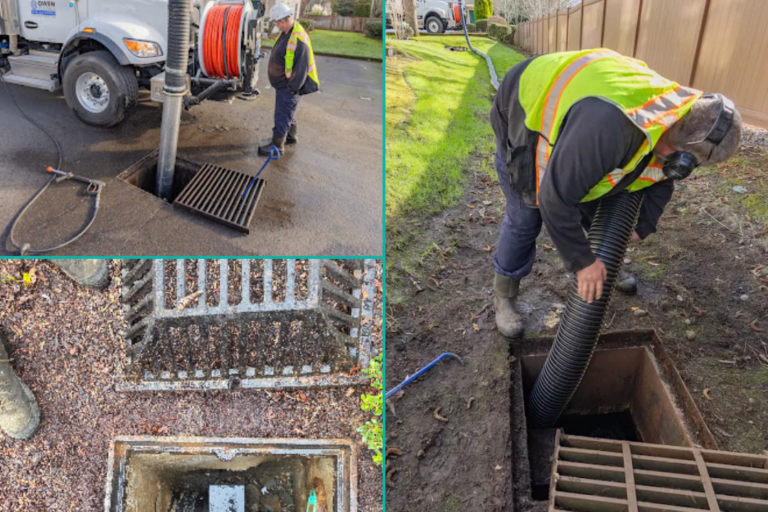
Leaves, sediment, and other debris can quickly accumulate in stormwater systems during fall and winter. When inlets, outlets, or catch basins become clogged, water may back up and cause flooding, erosion, or damage to surrounding property.
Common seasonal challenges include:
- Clogged inlets caused by leaves and debris
- Sediment accumulation in catch basins, ponds, bioswales, and vaults
- Erosion and scour from heavy storm flows
- Damaged or displaced vegetation
- Blocked flow control and overflow structures
- Overtopping banks and localized flooding
Industrial properties and construction sites may face additional challenges when erosion and sediment control best management practices are not properly installed or maintained. Without adequate controls, sediment, and debris can be carried into downstream stormwater facilities, affecting both performance and water quality.
What to Inspect
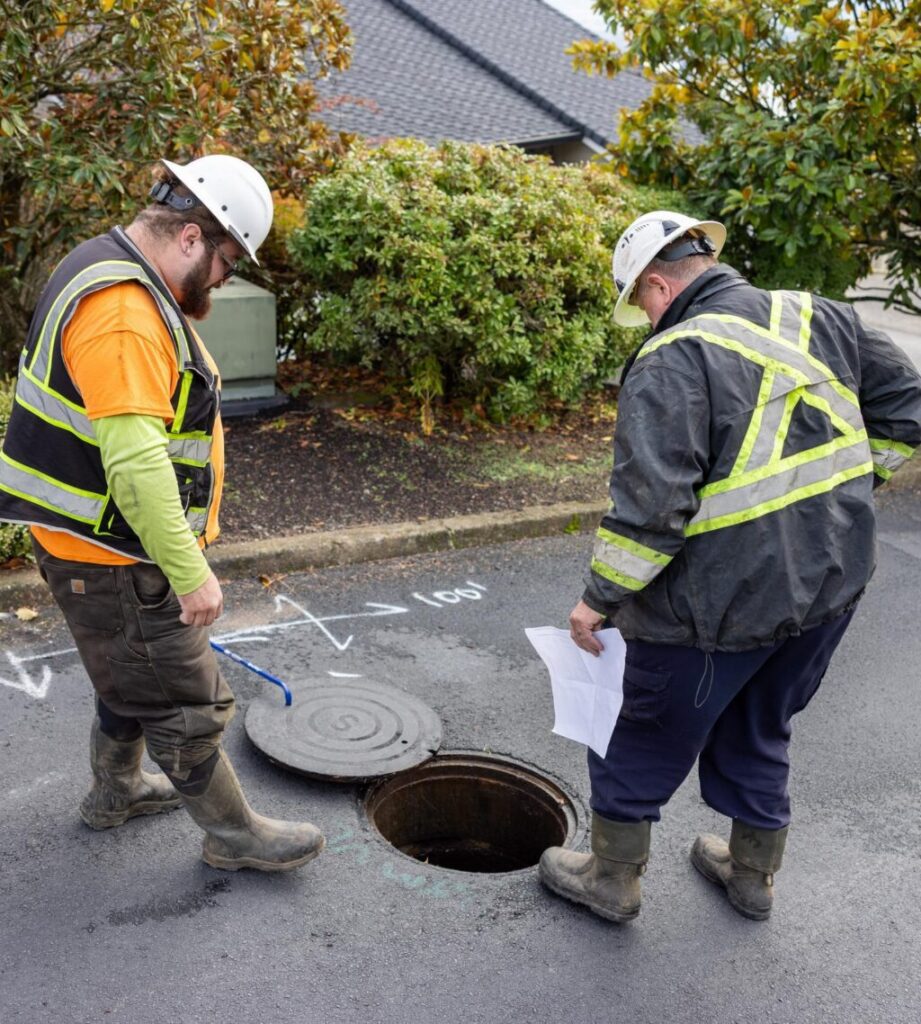
A stormwater inspection should include inlets and outlets, flow-control devices, overflow structures, catch basins, vegetated facilities, and treatment systems, such as filter vaults and hydrodynamic separators.
Warning signs that a system may not be functioning properly include:
- Pooling or standing water in unexpected areas
- Sediment or debris blocking inlets and outlets
- Erosion, scour, rilling, or channeling in bioswales and ponds
- Sinkholes or settling ground
- Vegetation growing where it could restrict flow
- Damaged, dead, or displaced vegetation
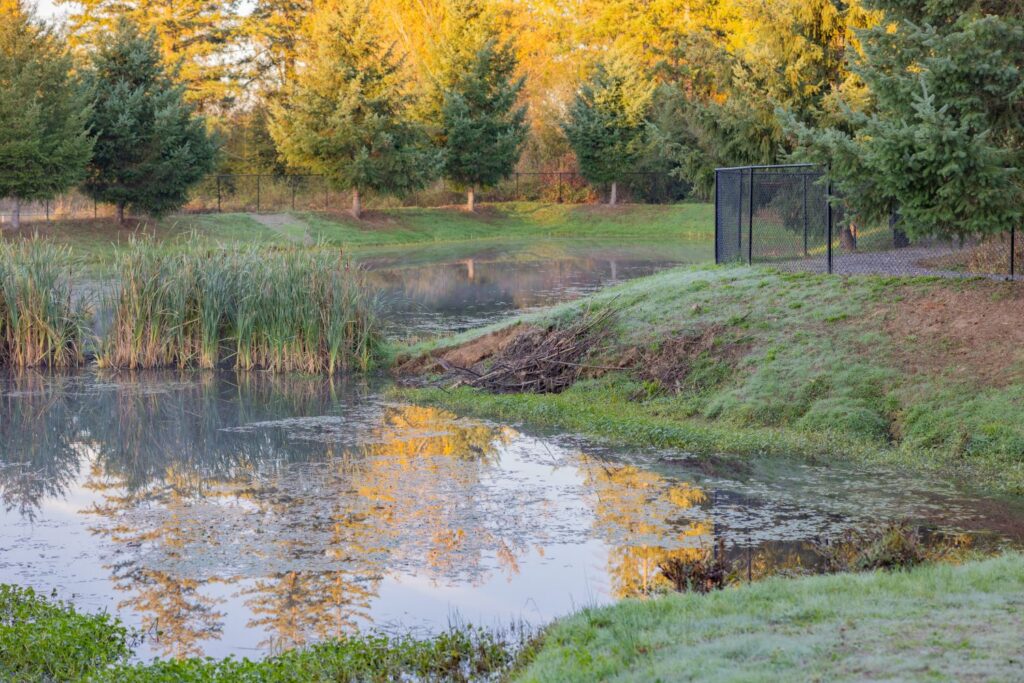
- Signs of beaver, nutria, or other animal activity
- Groundwater entering pipes or structures
- Water overtopping facility banks
These conditions may indicate a blockage, damaged pipe, inadequate drainage, or another issue that should be evaluated before heavy rainfall begins.
When to Call a Stormwater Professional
Property owners and facility managers can often complete basic maintenance tasks, such as removing light vegetation or clearing small amounts of sediment and debris from shallow, accessible structures. Routine visual inspections can also help identify changes before they become more serious.
Work that should be completed by a trained professional include:
- Confined-space entry
- Excavation
- Grading
- Heavy sediment removal
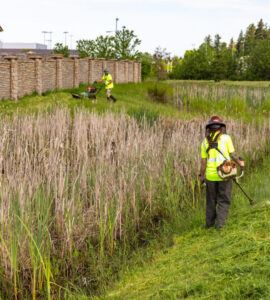
- Extensive vegetation management
- Tree removal
Stormwater structures can present hazards that are not always visible from the surface, and specialized equipment or permits may be required to complete the work safely.
The Value of Proactive Maintenance
Regular maintenance helps stormwater systems continue to convey, retain, and treat runoff as designed. Frequently cleaning catch basins reduces the amount of sediment reaching downstream ponds, bioswales, and vaults, where removal is often more difficult and expensive. Limiting sediment accumulation can also extend the useful life of downstream facilities and treatment structures.
When catch basins, inlets, or outlets become blocked, water can back up during heavy storms and cause upstream flooding. Water flowing through areas not designed to carry stormwater can cause erosion and property damage. Cracked or damaged underground pipes can also allow water to wash away surrounding soil, potentially causing settlement or sinkholes.
Proactive maintenance also supports regulatory compliance. Regulators often look for evidence that stormwater systems are inspected regularly, maintained appropriately, and functioning as designed. At industrial and construction sites, properly maintained facilities are better able to remove sediment and pollutants, helping the site meet applicable stormwater benchmarks.
Preparing stormwater systems before the rainy season can reduce the risk of flooding, protect infrastructure, support compliance, and prevent avoidable emergency repairs.
Riparia Environmental provides stormwater inspection, maintenance, vegetation management, sediment removal, and facility rehabilitation services to help keep stormwater systems functioning throughout fall and winter.

Meet Nick Curcio, Senior Stormwater Maintenance Project Manager
Nick Curcio is Riparia Environmental’s Senior Stormwater Maintenance Project Manager. He works with clients to plan and coordinate stormwater maintenance projects, ensuring facilities are properly maintained and ready to perform when they are needed most.
Need Help With Stormwater Maintenance?
Not sure if your stormwater system is ready for the rainy season? Riparia Environmental can help identify potential maintenance needs and develop a plan to keep your facilities operating as intended. Our team can answer your questions about stormwater inspection, maintenance, sediment removal, vegetation management, or other stormwater needs.