Environmental Reclamation

Reclamation is the restoration of severely disturbed land including mines, quarries, landfills, industrial sites, and large construction scars where natural ecology has been significantly altered and human intervention is required.

Request a Reclamation Consultation

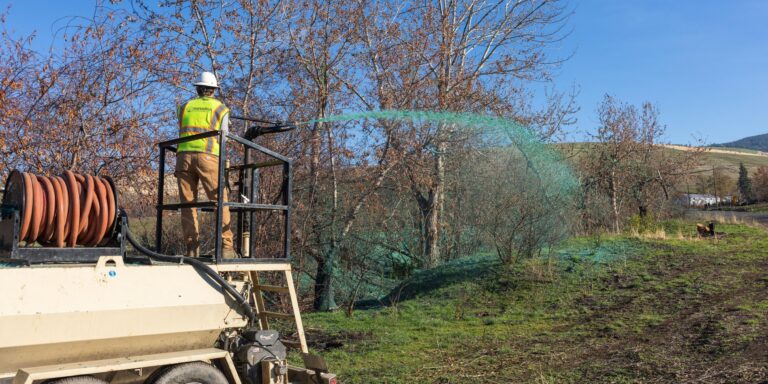
Worker in a hard hat and high-visibility vest spraying green hydroseeding slurry from a tanker onto a grassy hillside with bare trees.

Solutions for Agriculture, Recreation & Development

Before site reclamation, native soils are gone or contaminated, hydrology is disrupted, seed banks are destroyed, and topography has been artificially reshaped. Riparia, integrated with the full civil, geotechnical, stormwater, and ecological resources of MacKay, delivers environmental reclamation services that are buildable, compliant, and designed to make degraded land functional and stable again.

Stylized badge showing a heron flying over a lake with reeds, hills and setting sun, caption "Natural Resource Management"

Who This Is For

  • Private hydroelectric companies facing dam retrofit requirements who find it more practical to pursue dam removal and full site reclamation than bring aging infrastructure into compliance with modern regulations.

  • Tribal governments who have received grant funding to reclaim former industrial or mill sites on tribal land and need a full-service consulting partner to guide the process.

  • Local jurisdictions who have secured grant funding to reclaim brownfield or disturbed sites for reuse as open space, recreational areas, or community development opportunities.

  • Private mining and aggregate firms who need reliable environmental reclamation that meets regulatory requirements, mitigates disturbances, stabilizes soil, and restores sites into safe and productive assets.

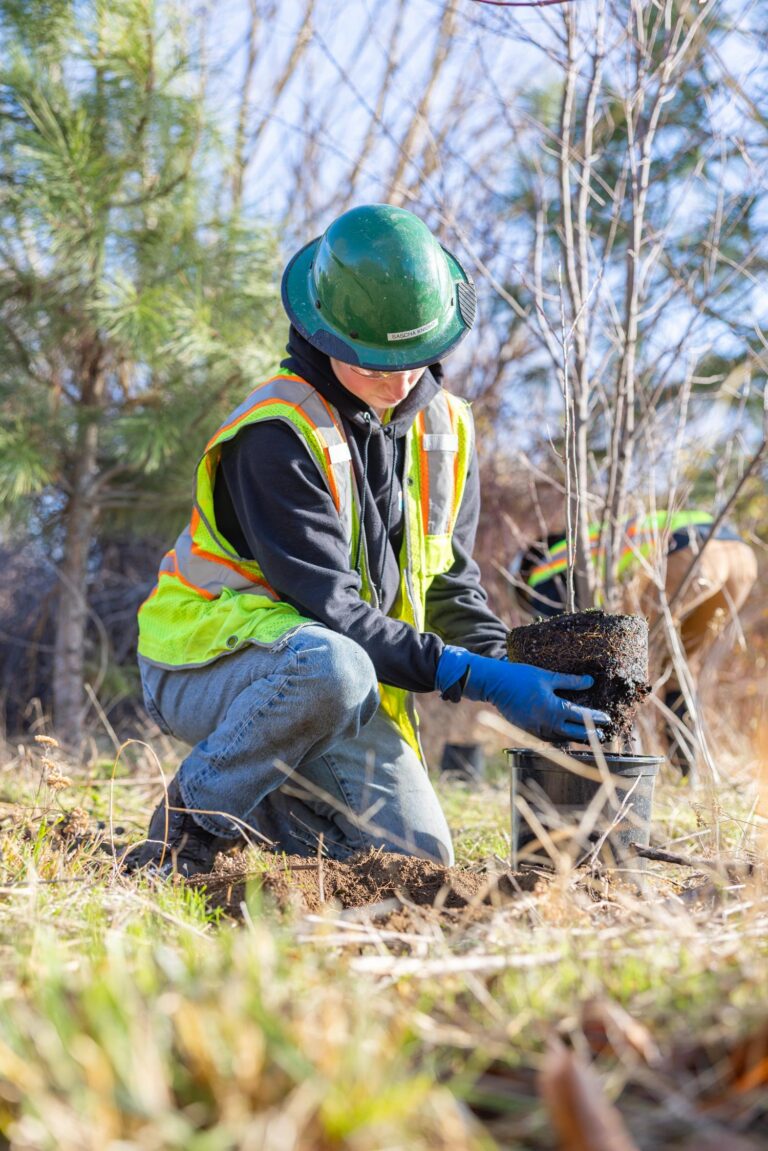
Worker in a green hard hat and reflective vest kneeling outdoors, planting a sapling and holding its root ball over a pot

What To Expect

Reclamation projects are complex, long-horizon efforts that require coordination across engineering, ecology, regulatory compliance and construction—often simultaneously. Riparia integrates all of those disciplines into a single, managed process so clients have one accountable team from baseline assessment through project closeout. Deliverables across a reclamation engagement typically include:

  • Topographic, hydrological, geological, and ecological baseline surveys documenting existing conditions and regulatory jurisdiction
  • Approved construction plans and drawings such as grading plans, layout, planting plans, and erosion control plans
  • Permit compliance documentation: Section 401/404, USACE compliance, HPA, and ESA consultation
  • Construction management plans including safety plans, erosion control, and spill prevention
  • Habitat feature planning: large woody debris placement, snag retention, floodplain reconnection, and native planting palette development
  • Environmental monitoring protocols and reports submitted to applicable agencies through project closeout
How We Work

  • 1. Establish Baseline Conditions

    Riparia and its partners complete the topographic, hydrological, geological, and ecological surveys needed to fully understand current site conditions and identify applicable regulatory jurisdictions.

  • 2. Planning & Design

    We develop grading plans and soil amendment strategies, plan habitat features such as large woody debris placement and snag retention, assign a native planting palette and installation schedule, and reconnect the threads of ecological function through comprehensive environmental planning and design.

  • 3. Permitting & Regulatory Review

    Riparia prepares and submits all required permits and supporting documentation for federal, state, and local review—including reclamation plans, planting plans, erosion and sediment control plans, and monitoring plans.

  • 4. Site Preparation

    Installation of erosion controls, completed demolition, performance of rough grading, invasive species control, and decompaction of soils to create the conditions necessary for successful ecological recovery.

  • 5. Construction

    Streambanks are stabilized, wetlands are graded, topsoil is installed, floodplains and hydrology are reconnected, and native species are planted.

  • 6. Maintenance & Monitoring

    Riparia develops site-specific monitoring protocols and conducts all required environmental monitoring through project closeout—submitting concise, timely reports to applicable agencies and managing ongoing site conditions.

Why Environmental Reclamation Matters

Reclamation is critical for reversing environmental degradation and restoring contaminated soil and water to safe, functional ecosystems. This process protects both humans and wildlife by removing hazardous substances, protecting communities from pollution, repurposing unused land for productive use, and restoring natural habitats.

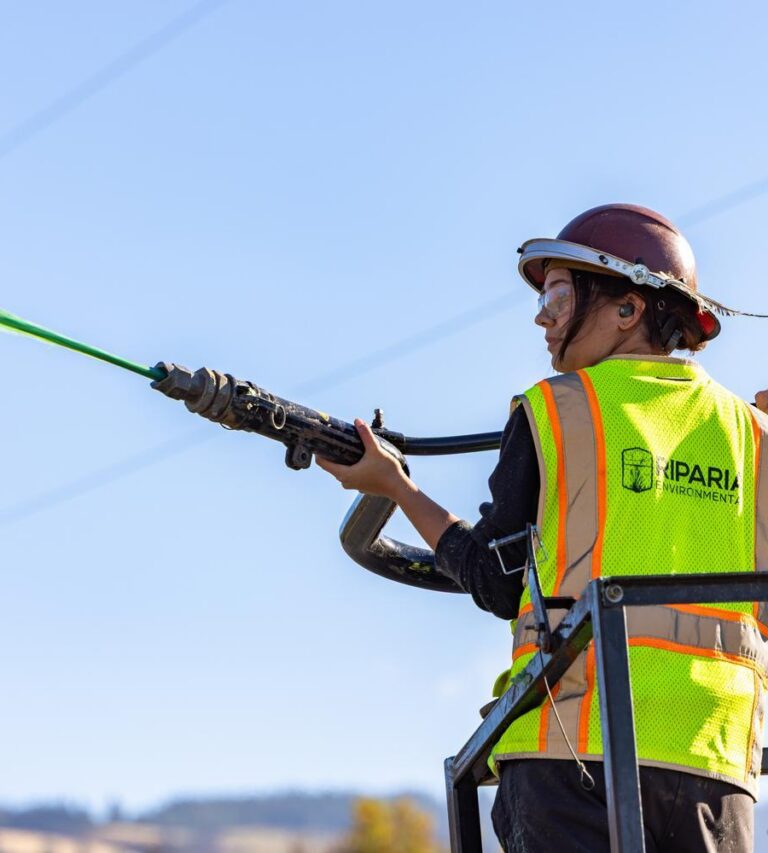
Worker in hard hat and high-visibility vest spraying green liquid from a hose while standing in an elevated work platform

Restoring Ecological Function

Reclamation sites like superfund facilities, mines, and heavily contaminated brownfields may never return to ecological function without direct intervention. Reclamation work improves air, water, and soil quality—restoring and making land livable for both people and wildlife.

Public Safety

Unreclaimed disturbed sites present real public safety risks such as landslides, flooding, groundwater contamination, and unstable slopes that threaten adjacent communities and infrastructure. Reclamation reduces risk by directly addressing these hazards.

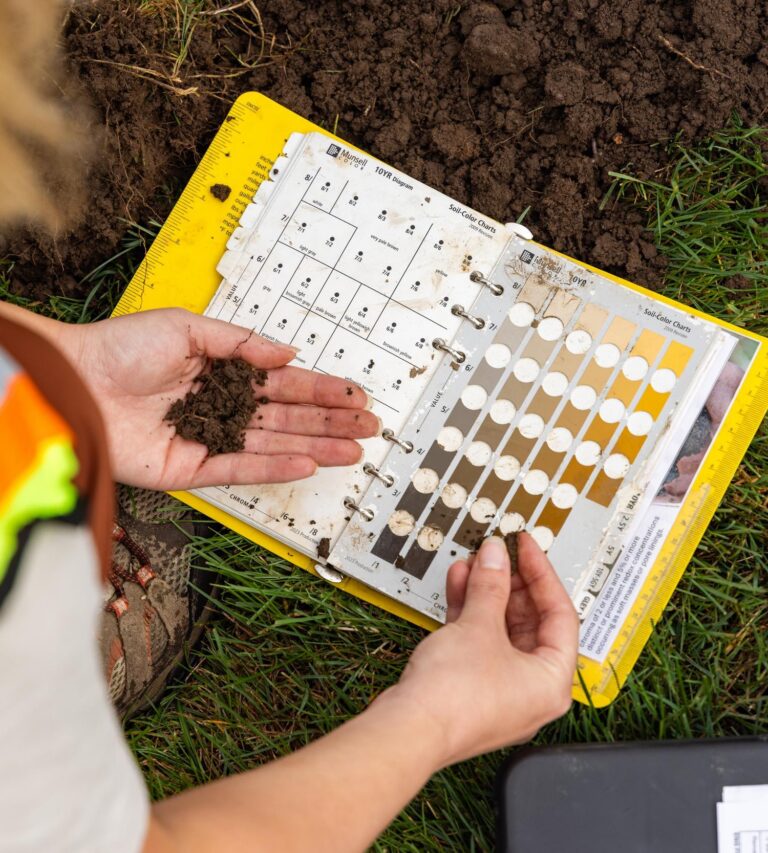
Person in a safety vest holding soil and comparing it to a Munsell soil color chart on grass.

Enabling Sustainable Development

Reclamation opens the door to new development and community investment—transforming contaminated industrial land into parks, housing, natural areas, and economic centers.

Regulatory Compliance

Reclamation is regulated and often legally required under federal and state law. Working with a team experienced in navigating these requirements protects landowners from costly fines, enforcement actions, and the compounding liability of unaddressed contamination.

Signature Project

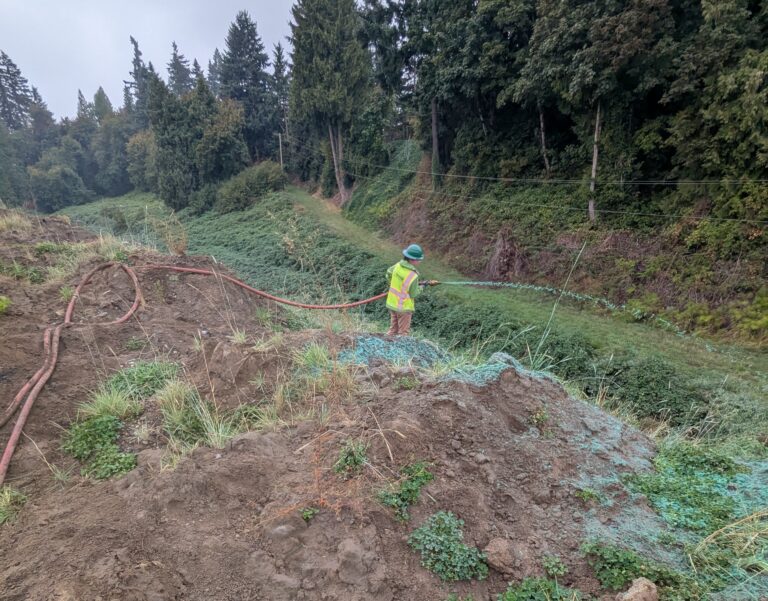
Worker in a hi-vis vest and green hard hat spraying green hydroseed mix down a grassy forested slope from a hose.

Heidelberg Canby Pit Mine Vegetative Reclamation

Riparia provided vegetative reclamation services across this active mining complex—working in coordination with adjacent landowners and ongoing mining operations. Field staff hydroseeded approximately four acres of land across the site, including three artificial berms and a historic floodplain area. We accessed work zones from within the mine, from adjacent properties, and from Highway 99 with appropriate safety measures in place. Successful completion of this project took two weeks, and prevented potential environmental degradation and erosion onsite while also returning a portion of the Mine to native conditions. Execution of this project prevented potentially costly environmental oversight and lawsuits from regulatory bodies and adjacent land owners.

Frequently Asked Questions

Related Services

  • Environmental Permitting

    Federal, state, and local permitting support—from NEPA and SEPA through Section 404/401 and Hydraulic Project Approvals.

    Read more

  • Natural Resource Management

    Full-lifecycle natural resource services including assessment, restoration, mitigation, and monitoring.

    Read more

  • Invasive Species

    Licensed removal and management of invasive plants, creating conditions for native vegetation to recover.

    Read more

Two workers in green hard hats and reflective vests kneel outdoors, removing turf and fabric from a dug patch of soil.

Ready To Get Started?

Reclamation is complex work. Thankfully, with the right team, degraded land can become something genuinely valuable again. Contact Riparia today to discuss your site and let’s build a plan for what comes next.

Request a Reclamation Consultation

Or call us directly: (360) 693-4555