Environmental Monitoring

Environmental monitoring is a required component of most habitat mitigation, restoration, and in-water construction projects. Riparia’s integrated services provide the documented, ongoing evidence that a site is performing as required and that regulatory obligations are being met.

Request Monitoring Services

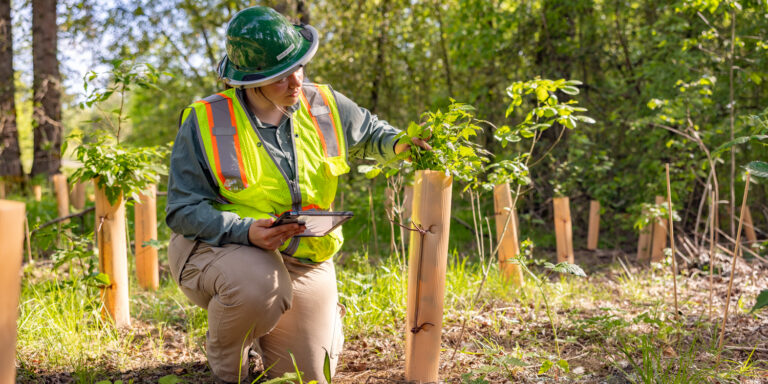
Forestry worker in hard hat and high-visibility vest kneeling and inspecting a young tree protected by a plastic tree guard while holding a tablet

Precision Monitoring & Thorough Reporting

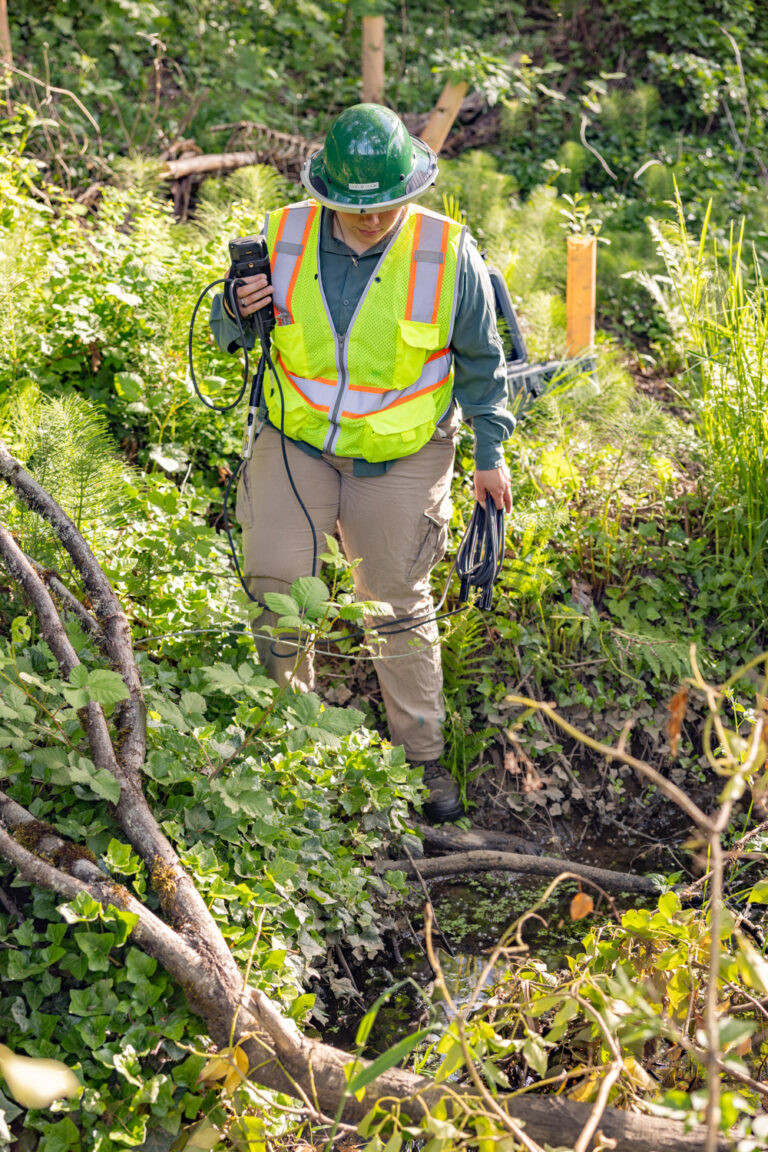
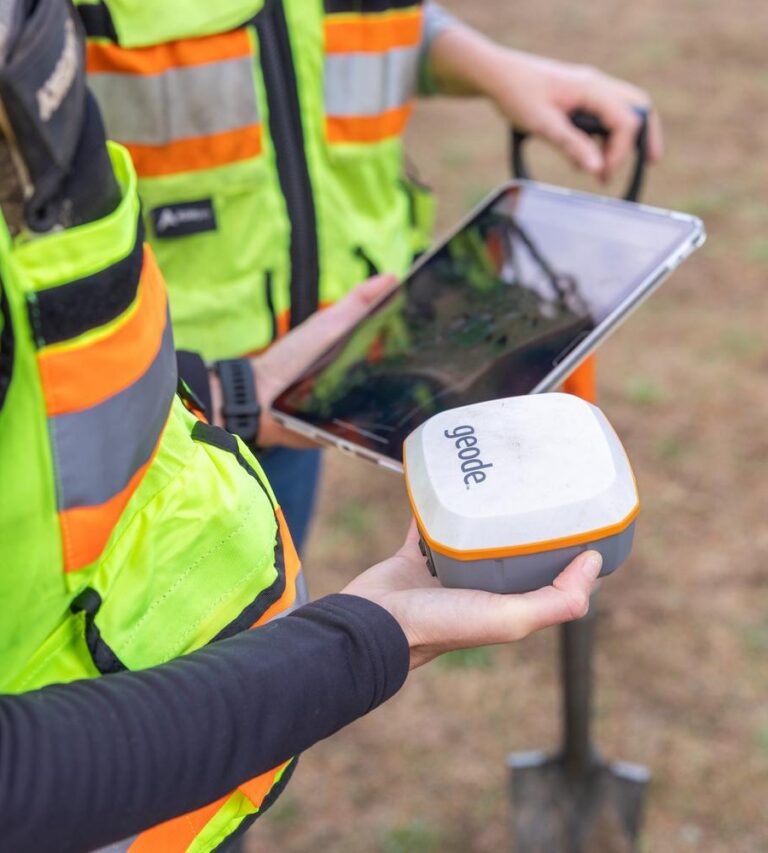
Riparia delivers environmental monitoring services including mitigation monitoring, in-water work compliance, and soil sampling. Using specialized tools—turbidity and dissolved oxygen meters, irrometers, spherical densiometers, and GIS mapping—we produce thorough, accurate reports that give regulators, clients, and project teams a complete picture of site conditions. When Riparia both installs and monitors a site, you get a single contractor who knows the plant species, nursery sources, and site history firsthand.

Stylized badge showing a heron flying over a lake with reeds, hills and setting sun, caption "Natural Resource Management"

Who This Is For

  • Construction companies in need of mitigation credits for their development who want a single contractor to handle planting, maintenance, and the required monitoring and reporting.

  • Public landowners and utility companies requiring in-water construction work where water quality monitoring is mandated, including monitoring of turbidity levels, dissolved oxygen, pH, and any other project-specific parameters to ensure in-water activities remain in compliance.

Worker in green hard hat and neon safety vest holding cables while walking through dense green undergrowth near a creek

What To Expect

Riparia’s monitoring services are thorough, well-documented, and managed with the regulatory and jurisdictional requirements of each project in mind. Our clients receive a complete monitoring program from field visits through report submittal, including communication and coordination with regulatory agencies. Every monitoring engagement includes:

  • Annual monitoring reports compiling all parameters monitored, measured outcomes, and overall site observations, with reports submitted to the appropriate jurisdictions on the client’s behalf
  • Trained technicians equipped with the tools and credentials to perform accurate field measurements and assessments, including canopy coverage, ground cover, invasive species presence, plant survivability, hydrology, and water quality parameters
  • Access to Riparia and MacKay’s team of environmental scientists and permitting professionals to evaluate conditions and provide recommendations if areas are found to be out of compliance
  • As-built reports as required immediately following any plant installation, documenting what was planted, where, and under what conditions
  • GIS mapping and photographic documentation integrated into monitoring reports to provide a clear visual record of site conditions over time
How We Work

  • 1. Initial Monitoring Visit

    Conducted in spring following fall/winter planting, this visit establishes baseline conditions for the year. We calculated canopy coverage, assess native ground cover, record invasive species presence, map with GIS, and document observations with photographs.

  • 2. Second & Final Monitoring Visit

    Conducted in late summer or early fall, this visit assesses plant establishment and survivability through either a full plant count or plot-based sampling, depending on site size. Together, the two visits capture the full arc of the growing season.

  • 3. Report Writing & Internal Review

    Field data, measurements, observations, and photographic data are compiled into a formal monitoring report, reviewed internally, and submitted to the client prior to the standard December 31st regulatory deadline.

  • 4. Client Review & Jurisdictional Submittal

    The client reviews the draft report and confirms acceptance and approval. Riparia then submits the final report to all applicable regulatory agencies on the client’s behalf—including the Department of Ecology, Army Corps of Engineers, or other jurisdictions as required by the project’s permit conditions.

Why Monitoring Matters

Monitoring efforts are crucial to the success of a project, as well as a permit requirement, and a key component to protecting the environment we all share. Beyond compliance, monitoring is what allows problems to be caught early, when they can still be corrected, rather than discovered months or years later when corrective options are limited and costly.

Worker in high-visibility vest holding a Geode GNSS receiver while a colleague views a tablet and a shovel rests nearby

Regulatory Compliance

Monitoring is a standard requirement for mitigation, restoration, and in-water construction projects. Accurate, timely annual reports are the most direct way to demonstrate compliance and maintain good standing with regulatory agencies.

Documented Progress on Your Investment

Annual reports give clients professionally prepared documentation of site performance—for regulators, for internal records, and as verification that contracted obligations are being fulfilled.

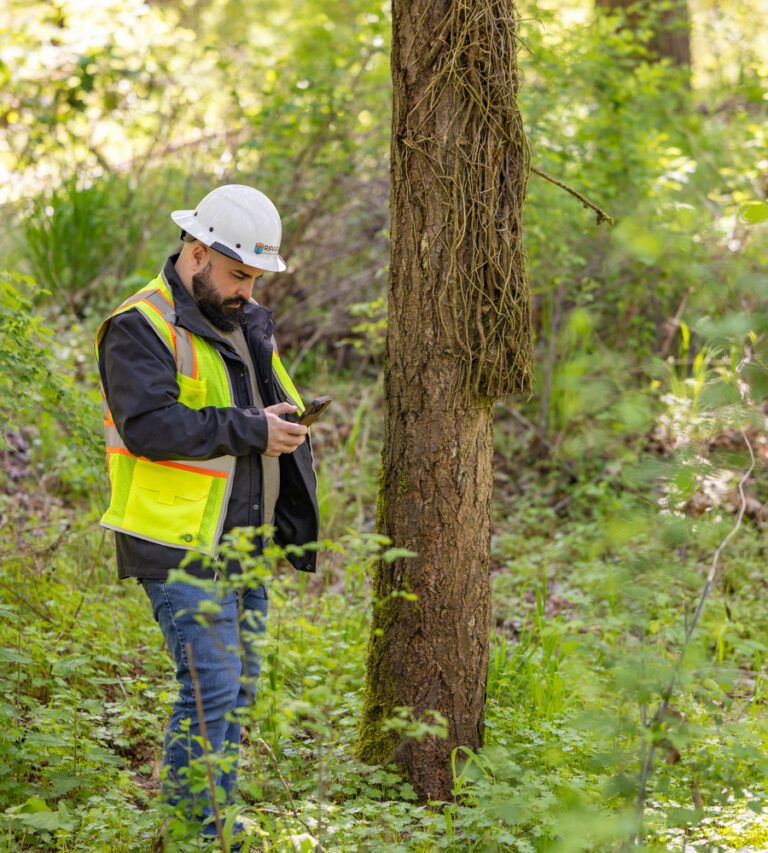
Man in hard hat and neon safety vest standing in green forest beside a tree, looking down at a handheld device

Early Problem Identification

Regular monitoring catches issues such as low plant survivability, invasive encroachment, and declining hydrology, before they compound into permit non-compliance or failed mitigation.

Protecting Our Environment

Monitoring ensures that investment in restoration actually delivers. We track plant survival, water quality, and overall site health so problems are identified and addressed before they become harmful.

Signature Projects

Yale Lake Hydroelectric Dam — Utility Company, In-Water Work Monitoring

A utility company planning to construct a fish passage at a 323-foot-high hydroelectric dam —with a power capacity of 134 megawatts—required water quality monitoring during exploratory geotechnical drilling conducted in preparation for the project. Riparia monitored dissolved oxygen and turbidity levels near active drilling locations throughout the work period, ensuring the in-water activities remained in compliance with Clean Water Act requirements. Riparia’s monitoring allowed the drilling program to proceed smoothly and without regulatory interruption.

City of Ridgefield — Public Restoration Monitoring with Community Planting Partnership

Riparia is providing long-term monitoring services for a public restoration project in Ridgefield, Washington, procured through the City and carried out in partnership with a nonprofit organization that organized community volunteers to perform the planting. The project combines public and private elements and includes invasive species maintenance alongside vegetation monitoring.

Frequently Asked Questions

Related Services

  • Wetland Mitigation

    Design and implementation of compensatory mitigation required when development impacts regulated wetlands or waterways, including planting, establishment, and long-term stewardship.

    Read more

  • Restoration

    Ecological restoration services for degraded habitats—including riparian corridors, wetlands, and native plant communities—aimed at recovering ecological function and biodiversity.

    Read more

  • Wetland Delineation & Assessment

    Field-based identification and mapping of wetland boundaries and environmental features, providing the foundational information needed for permitting and project planning.

    Read more

Person in a high-visibility vest and hard hat standing in a sunlit forest clearing, facing away toward tall trees

Ready To Get Started?

Whether your project requires mitigation monitoring, in-water work compliance, or long-term habitat tracking, Riparia has the team and tools to keep your project on track and meeting standard. Contact us today to discuss your monitoring needs.

Request Monitoring Services

Or call us directly: (360) 693-4555