Ecological Restoration

Ecological restoration is the assisted recovery of degraded or damaged ecosystems to functional, healthy, self-sustaining natural systems through active repair rather than passive protection. Riparia’s restoration work typically involves reconnecting hydrology, erosion control, improving soil conditions, installing native plantings, controlling invasive species, and habitat construction.

Request a Restoration Consultation

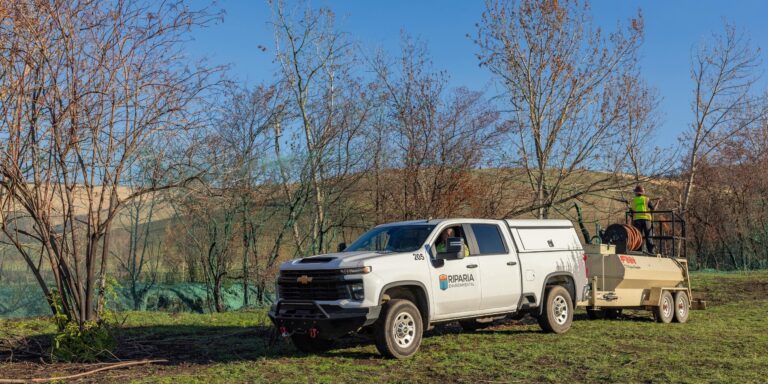
White Riparia Environmental pickup towing equipment while a worker in a high-visibility vest stands on the trailer among leafless trees.

Restoring Wetlands, Habitats & Environments

Riparia combines scientific expertise, regulatory knowledge, and hands-on field experience to deliver restoration projects that actually work. Our process is grounded in ecology, guided by compliance, and focused on real-world results. We are invested in making smart decisions early that significantly reduce your costs and management burden over time.

Stylized badge showing a heron flying over a lake with reeds, hills and setting sun, caption "Natural Resource Management"

Who This Is For

  • Private landowners who have received a grant to restore a riparian area on their property and need a restoration contractor to guide them through construction, maintenance, and monitoring.

  • Fisheries enhancement groups and conservation organizations that have designed a restoration project and need a contractor with the scientific literacy and field capability to execute to meet standards and requirements.

  • Local jurisdictions and public agencies that have secured funding for riparian restoration and need a contractor experienced in working within grant compliance boundaries, critical area regulations, and agency reporting requirements.

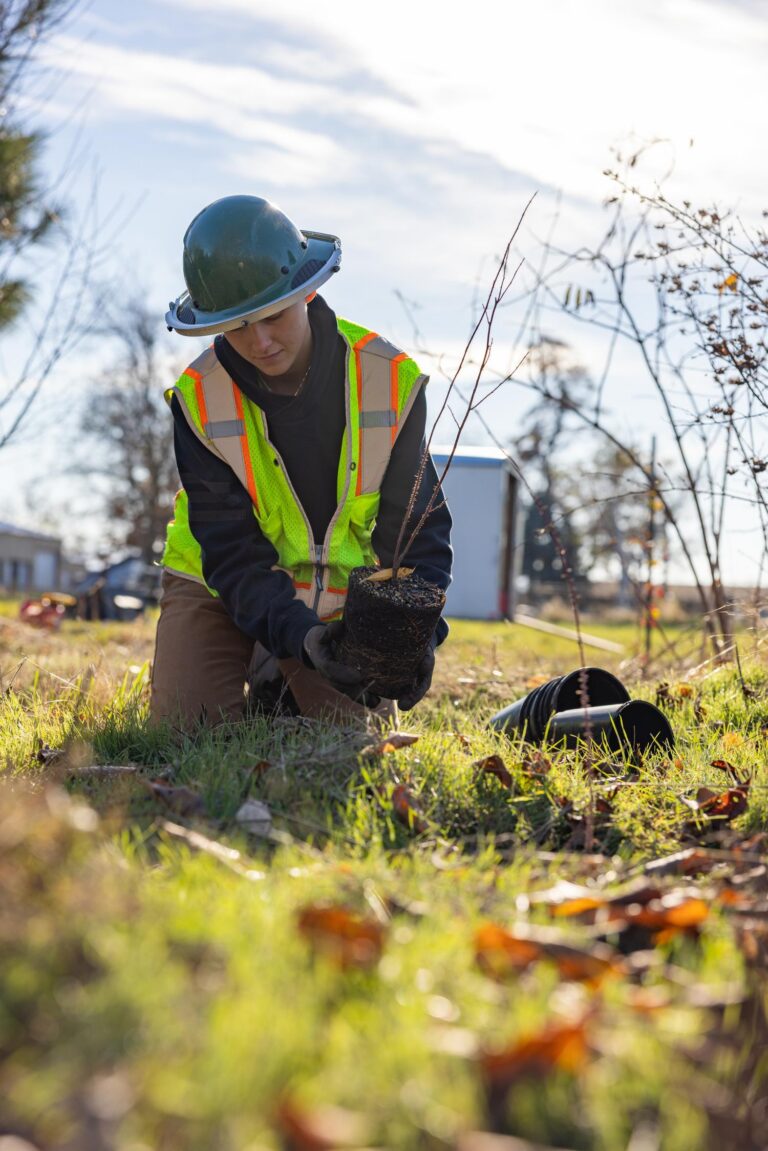
Person in safety vest and hard hat kneeling outdoors, holding a small tree seedling with root ball ready for planting

What To Expect

Riparia manages restoration projects across the full scope of work from initial site assessment and baseline documentation through installation, adaptive management, and long-term monitoring. Every project is tailored to the specific ecological conditions, regulatory requirements, and performance standards that govern the site.

  • Site Assessment & Baseline Documentation: Our team establishes existing site conditions through critical areas reports, geologic and hydrologic assessments, vegetation and invasive species surveys, photo point establishment, and GIS data collection and synthesis.
  • Restoration Design & Planning: We develop planting plans, seed mix prescriptions, and invasive species management plans in coordination with biologists, surveyors, engineers, planners, and permitting agencies.
  • Installation & Establishment: Field installation includes live stake, bare root, and containerized plant installation; broadcast, drill, and hydroseeding; mulching and soil amendments; plant protection through tree tubes and plant cages; and habitat structure placement including large woody debris, Beaver Dam Analogs, and Post Assisted Log Structures.
  • Maintenance & Adaptive Management: Riparia conducts replacement planting and soil amendments, prepares monitoring reports, evaluates performance against permit standards, and makes adaptive management recommendations based on real-time site conditions.
How We Work

  • 1. Pre-Proposal & Scoping

    We begin with clear, direct communication about your project needs, expectations, site-specific conditions, and any constraints that could affect scope or approach. Understanding what success looks like ensures the work plan we develop is realistic and well-matched to your goals.

  • 2. Construction

    Knowledgeable, educated field staff follow approved plans, specifications, and best available science to implement restoration practices correctly. Our crews understand what they’re installing and why—which makes a meaningful difference in the quality and consistency of installation across varied site conditions.

  • 3. Post-Construction Monitoring and Maintenance

    Following installation, Riparia field staff monitor the success of implemented restoration strategies and apply adaptive management to proactively address changing site conditions.

Why Ecological Restoration Matters

Restoration is how we actively revitalize and protect our critical landscapes from the effects of development, land disturbance, and invasive species—recovering essential natural systems and ecological functions.

Pacific Northwest ecosystems have been shaped by millennia of ecological processes — and decades of development, land disturbance, and invasive species pressure have degraded many of the landscapes and waterways that communities and wildlife depend on.

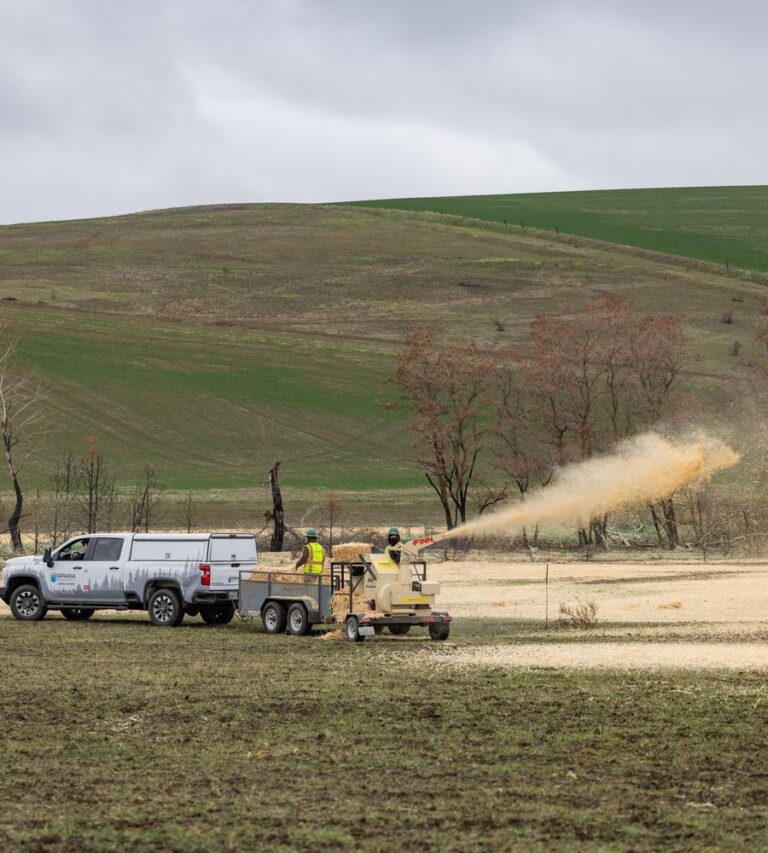
Pickup truck and trailer-mounted machine blowing straw across a field while two workers in safety vests stand nearby against rolling green hills under a gray sky.

Biodiversity Recovery

Restoration rebuilds habitat for native plants, pollinators, birds, fish, and other wildlife that depend on intact habitat corridors to survive and reproduce. Many of our streams are dominated by invasive monocultures that provide little ecological benefit. Planting deep-rooted native species, shady willows, and emergent vegetation restores stream health, supports salmon recovery, and sustains the broader food web—including the resident orca populations that depend on healthy salmon runs.

Economic & Aesthetic Value

Healthy natural systems protect the key resources that economies depend on such as clean water, productive fisheries, and fertile agricultural land.

Human Health & Community Well-Being

Access to natural spaces is directly linked to mental health and quality of life. Restoration creates the kinds of natural spaces that communities need and benefit from, and development is more valuable when keeping this in mind.

Signature Project

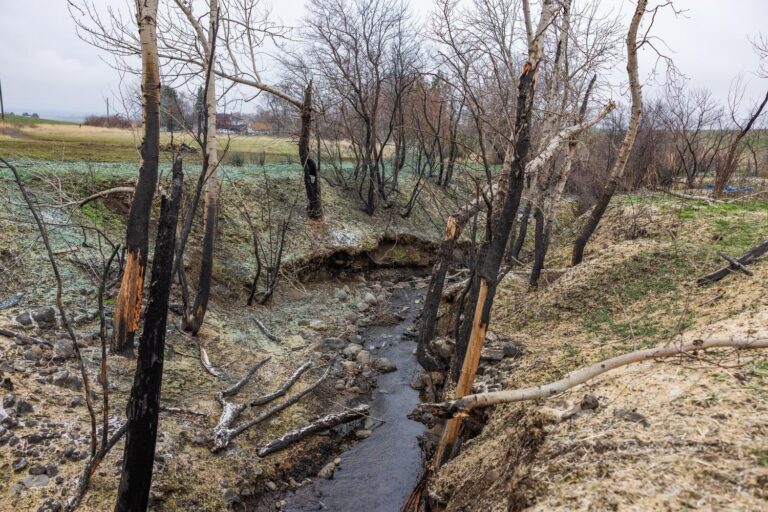
Narrow stream running through a shallow eroded ravine lined with leafless and partly charred birch trees and scattered rocks under overcast sky

Russell Creek Fire Restoration — Walla Walla County

Following a wildfire at Russell Creek—located 15 minutes outside of Walla Walla—Riparia completed a 40-acre fire restoration project across a diverse mix of streambank and upland terrain. The scope included hydroseeding 10 acres of streambank, drill seeding 16 acres of upland area, broadcast seeding 13 acres, and applying erosion control straw mulching to 20 acres of ground cover. The project required careful timing of dormant seeding for Eastern Washington conditions and the use of agricultural equipment to access and work the terrain effectively. The result was successful revegetation and erosion stabilization across the full 40-acre project area.

Frequently Asked Questions

Related Services

  • Wetland Mitigation

    Design, installation, and long-term maintenance of compensatory mitigation projects required when development impacts regulated natural areas.

    Read more

  • Reclamation

    Restoration of severely disturbed sites where ecological recovery requires comprehensive civil, geotechnical, and ecological intervention.

    Read more

Worker in a high-visibility vest spraying green slurry from a hose mounted on a trailer in a rural landscape

Ready To Get Started?

The Pacific Northwest’s ecosystems are worth protecting—and restoration is how we do our part. Contact Riparia today for a free site consultation and let’s talk about what’s possible on your property.

Request a Free Restoration Estimate

Or call us directly: (360) 693-4555